Novi Sad, October 18th, 2024
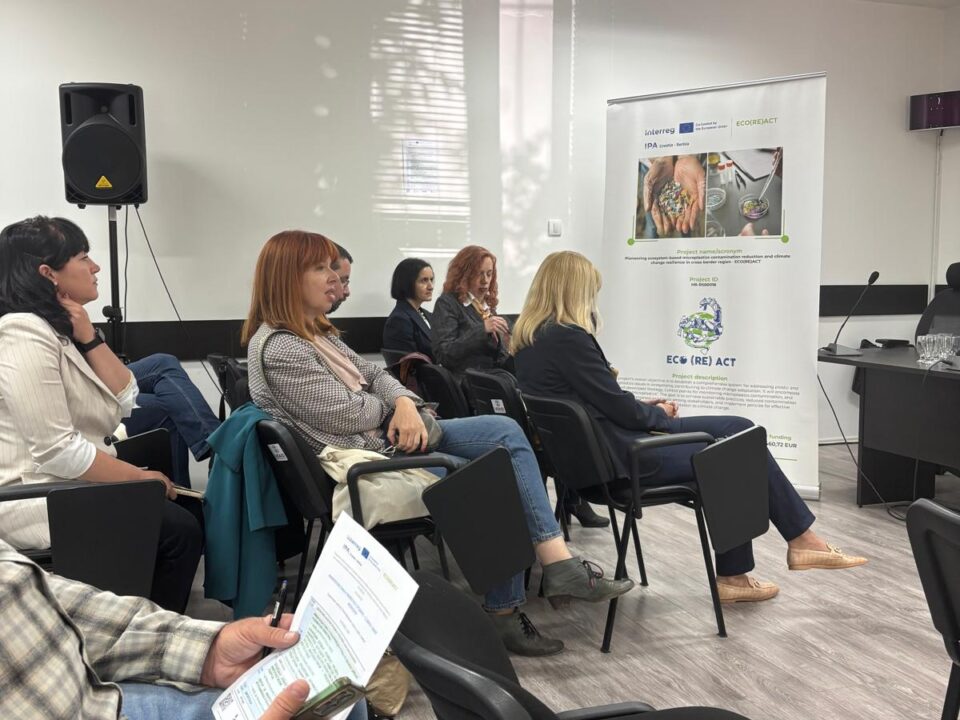
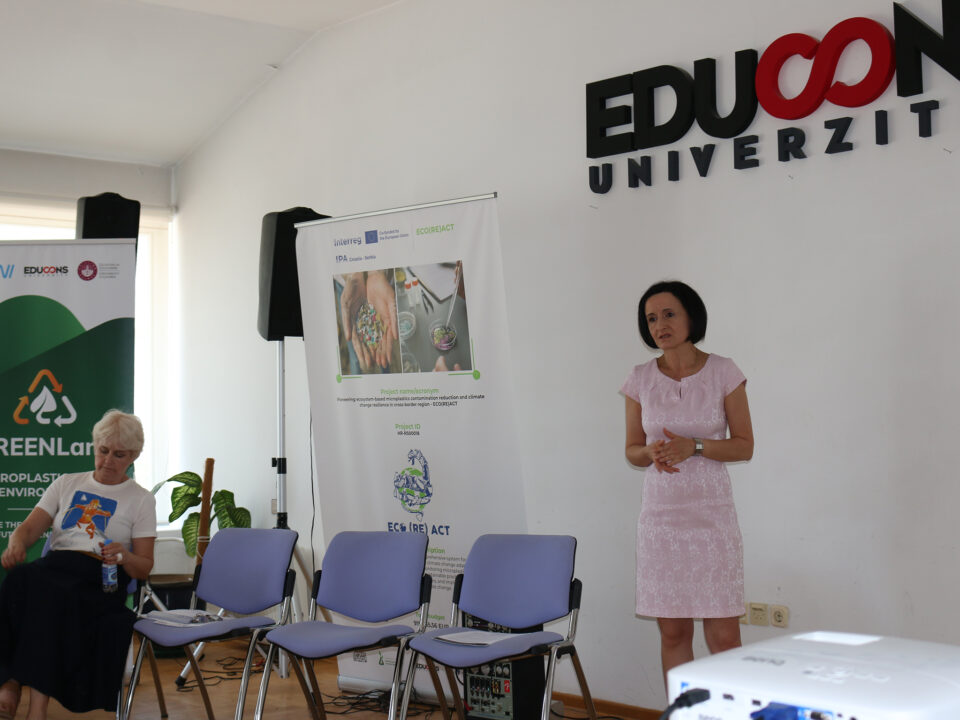
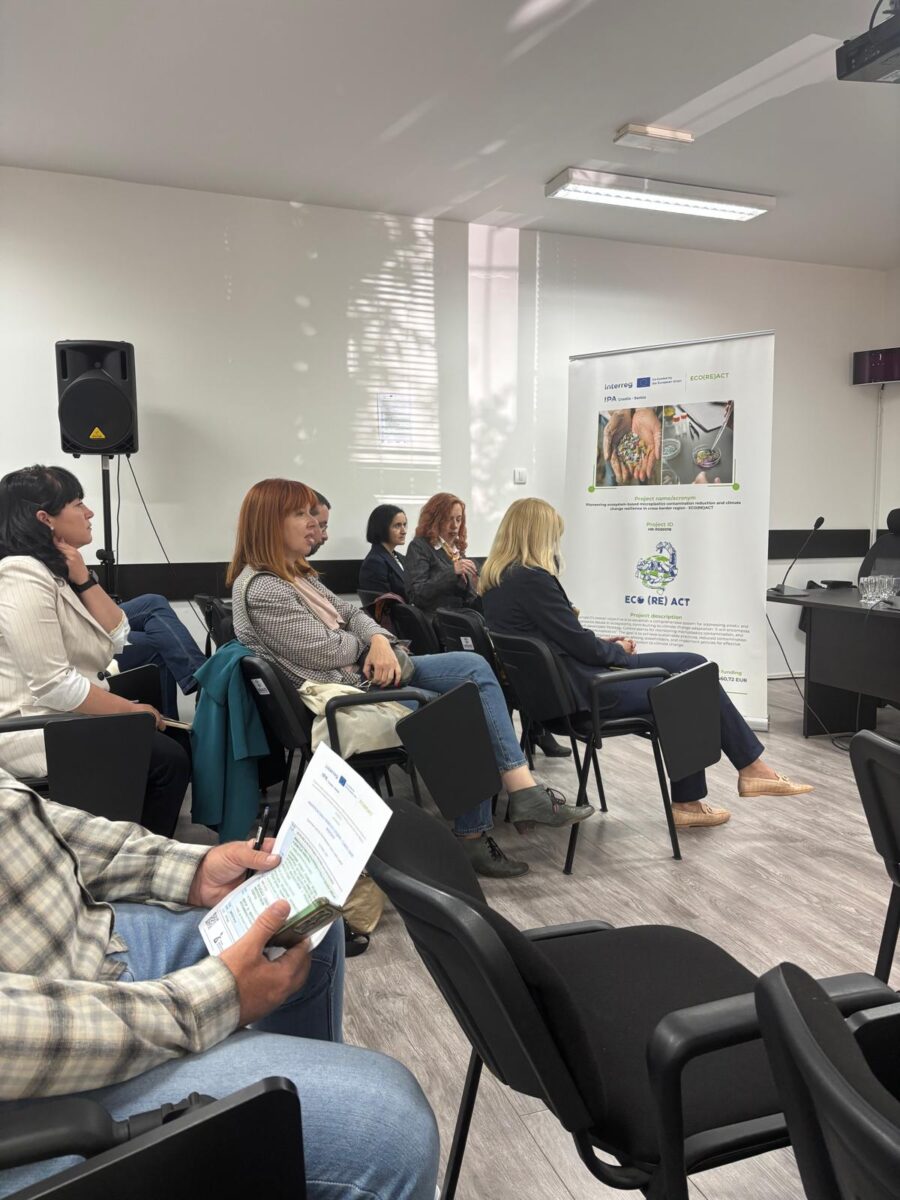
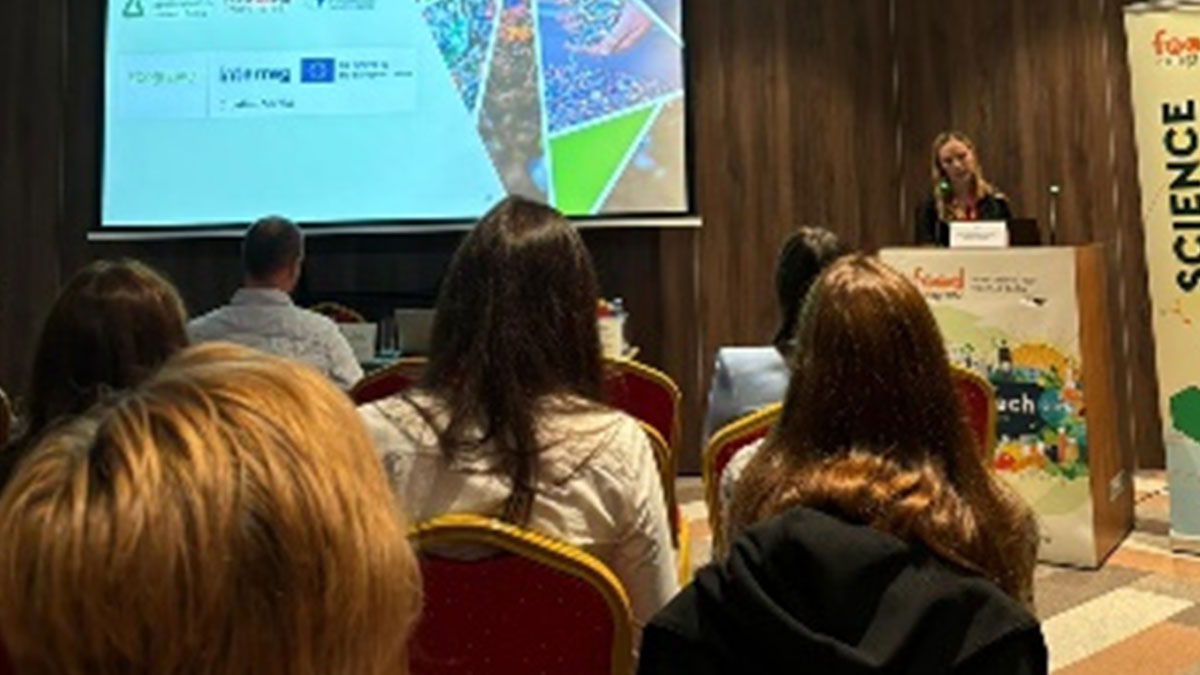
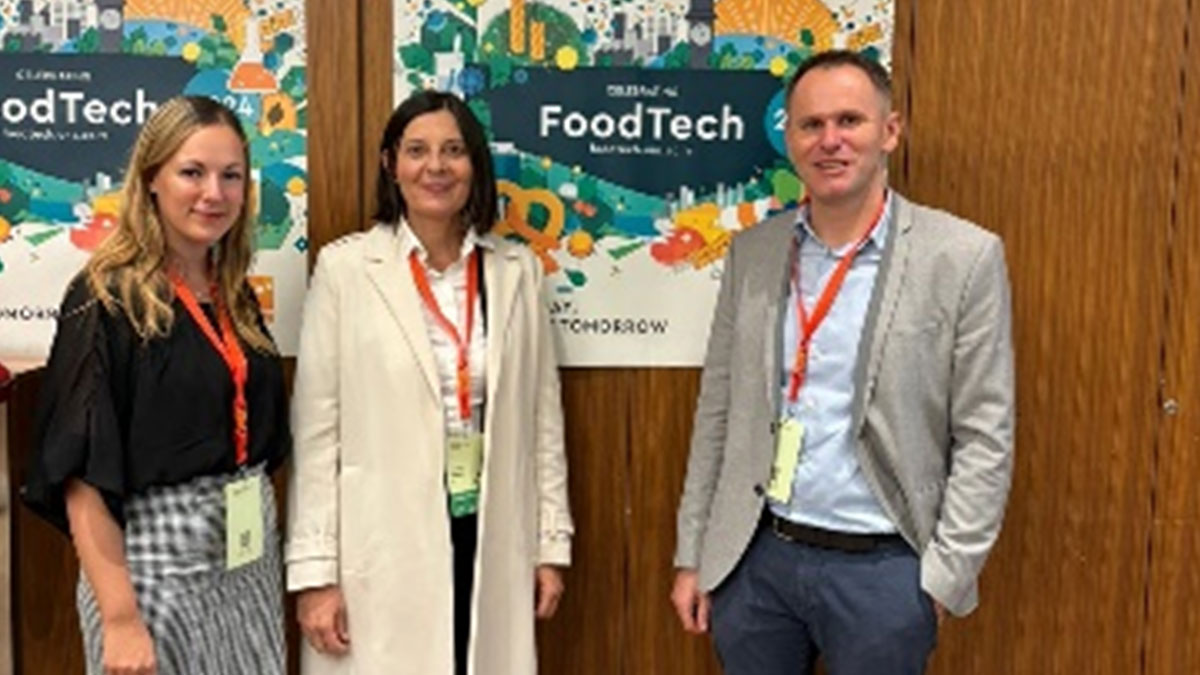
Three team members from the Faculty of Agrobiotechnical Sciences Osijek (FAZOS) – Mislav Đidara, Marcela Šperanda, and Maja Karnaš – attended the FOODTech conference in Novi Sad on October 18th, 2024. The event featured a dedicated section on plastics and microplastics, where the team presented the ECO(RE)ACT project. This provided an excellent opportunity to highlight the importance of addressing microplastic contamination in agriculture while engaging with regional experts and stakeholders.
The team outlined the project’s key objectives, including developing a strategy to reduce microplastics, implementing monitoring systems for irrigation water, soil, and animal feed, and establishing a Centre for Microplastics Research. Attendees showed strong interest in the proposed solutions, particularly the cross-border collaboration between Croatia and Serbia to promote sustainable practices and tackle pollution.
Additionally, the team published two scientific papers published in Conference proceedings, and presented those on the Conference. The first detailed how microplastics affect soil structure, fertility, and animal feed, while the second explored health risks such as inflammation and toxic substance accumulation in animals and humans. These presentations underscored the need for effective monitoring and mitigation strategies in agriculture.
The dedicated section fostered discussions on challenges and opportunities in addressing microplastic contamination. Many participants expressed interest in the ECO(RE)ACT project’s goals, particularly in adopting monitoring technologies and raising public awareness. Emphasis was placed on the importance of collaboration to bridge gaps in waste management and develop innovative solutions.
The FOODTech conference allowed team members to effectively showcase the ECO(RE)ACT project and strengthen networks with stakeholders. The team’s contributions will support the project’s objectives, fostering sustainable agricultural systems and advancing efforts to reduce microplastic risks across the region.