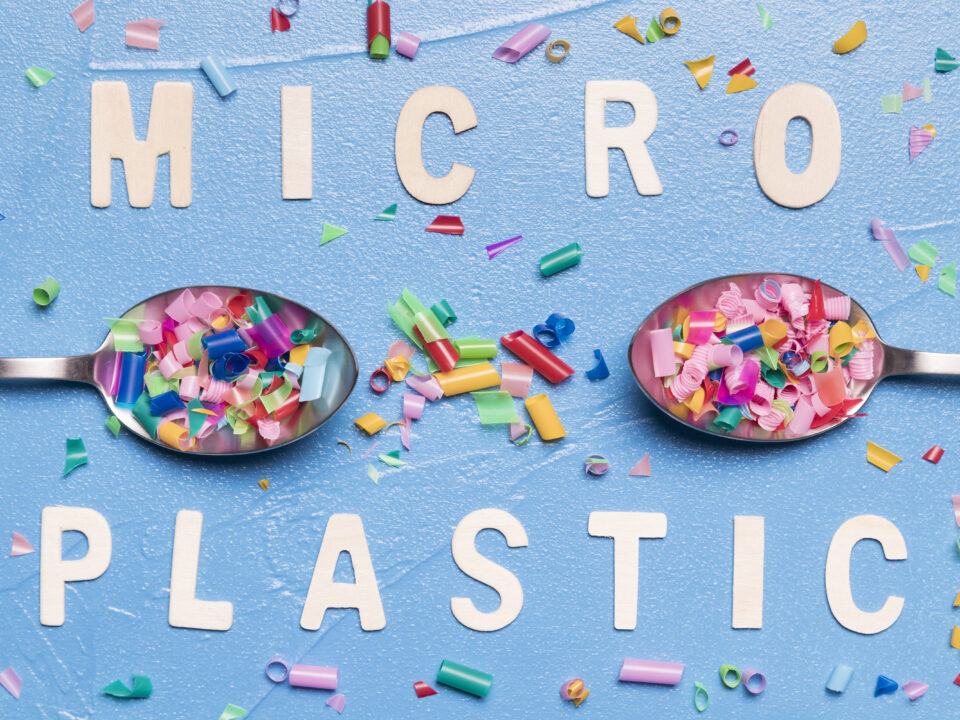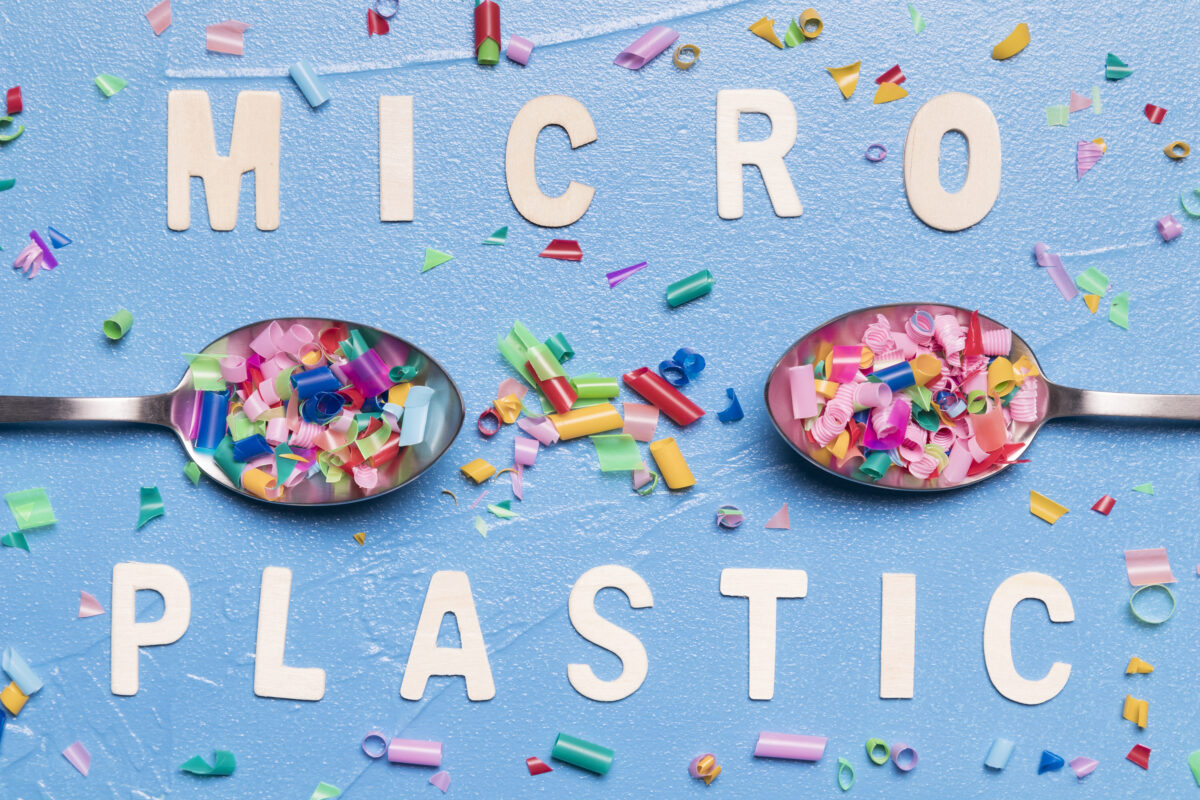

Microplastics in soil represent a significant, often invisible threat to soil ecosystems, biodiversity, agriculture, and human health. Their persistence, ability to carry harmful chemicals, and potential to disrupt soil structure and function pose challenges that require urgent attention and solutions, such as reducing plastic usage, improving waste management, and developing effective remediation strategies.
The impact of soil degradation by microplastics has an impact on the following segments:
1. Soil Structure and Health
- Disruption of Soil Aggregates: Microplastics can interfere with the natural aggregation of soil particles, which is vital for soil structure. Healthy aggregates promote water retention, aeration, and root penetration. When microplastics disrupt this aggregation, it can lead to poor soil structure, compaction, and reduced water infiltration.
- Reduction in Soil Fertility: Microplastics can interact with soil organic matter and nutrients, potentially altering the nutrient availability for plants. They may hinder microbial activity by physically blocking the soil pore space and limiting the access of beneficial microorganisms to nutrients and oxygen. This can reduce soil fertility and degrade overall soil health.
2. Impact on Soil Biodiversity
- Toxicity to Soil Organisms: Microplastics can be toxic to soil organisms such as earthworms, nematodes, and microorganisms. The ingestion of microplastics by these organisms may lead to physical harm, including digestive blockages and internal injuries. In the long term, this can reduce biodiversity and disrupt the ecosystem services that these organisms provide, such as nutrient cycling, soil aeration, and organic matter decomposition.
- Chemical Contaminants: Microplastics often carry toxic chemicals, such as heavy metals, persistent organic pollutants (POPs), and additives from the plastic production process (e.g., plasticizers, flame retardants). When these particles degrade in the soil, they can leach these harmful substances into the surrounding environment, further impacting soil organisms and potentially contaminating groundwater.
3. Impacts on Plant Growth
- Root Development and Nutrient Uptake: The physical presence of microplastics in soil can impede the growth of plant roots. Microplastics can create a barrier in the soil, preventing roots from penetrating deeply and accessing water and nutrients. Over time, this can lead to stunted plant growth, reduced crop yields, and even plant death.
- Chemical Leaching: As microplastics degrade, they can release chemicals into the soil, which can alter the pH, salinity, or nutrient balance of the soil. This can further inhibit plant growth and may cause plants to take up harmful chemicals, which can enter the food chain.
4. Transport and Accumulation of Pollutants
- Microplastics as Pollutant Vectors: Microplastics are capable of adsorbing and concentrating pollutants from the surrounding environment. As they move through the soil, they can act as carriers of harmful substances, such as pesticides, herbicides, and other toxic compounds. This increases the spread of pollutants in the soil and may introduce these toxins into the food chain when plants and animals ingest contaminated microplastics.
- Spread to Other Ecosystems: Microplastics in soil can be transported by wind, water, or animal movement, potentially contaminating other ecosystems, including waterways and marine environments. This can contribute to the global spread of microplastic pollution and its impact on terrestrial and aquatic ecosystems.
5. Human Health Risks
- Food Chain Contamination: As microplastics accumulate in soil, they can be taken up by plants, which are a primary food source for humans and animals. These plastics may transfer harmful chemicals and particles into the food chain, posing potential health risks for humans consuming contaminated crops or livestock products.
- Ingestion of Contaminated Soil or Produce: Human exposure to microplastics in soil can occur directly through the ingestion of contaminated soil particles, especially for individuals working in agriculture or gardening, as well as indirectly via consumption of food contaminated with microplastics.
6. Persistence and Degradation Challenges
- Longevity in Soil: Microplastics are highly durable and can persist in soil for hundreds to thousands of years. Unlike organic matter, they do not break down easily. This means that microplastics can accumulate over time, leading to a long-term environmental burden that may be difficult to mitigate.
- Slow Degradation: While some microplastics may break down into smaller particles due to physical, chemical, or biological processes, they rarely biodegrade completely. This slow degradation process makes it challenging to address the issue and clean up contaminated soils.
7. Soil Remediation Complications
- Difficulty in Removal: Removing microplastics from contaminated soils is extremely difficult. Traditional soil remediation techniques are often ineffective in removing microplastics, and specialized methods, such as bioremediation, are still in the early stages of development. This makes the clean-up of polluted areas costly and time-consuming.
Therefore, the goal of the ECO(RE)ACT project is to raise awareness of the need to reduce the use of plastic in everyday life, in agricultural production, as well as in protected areas!